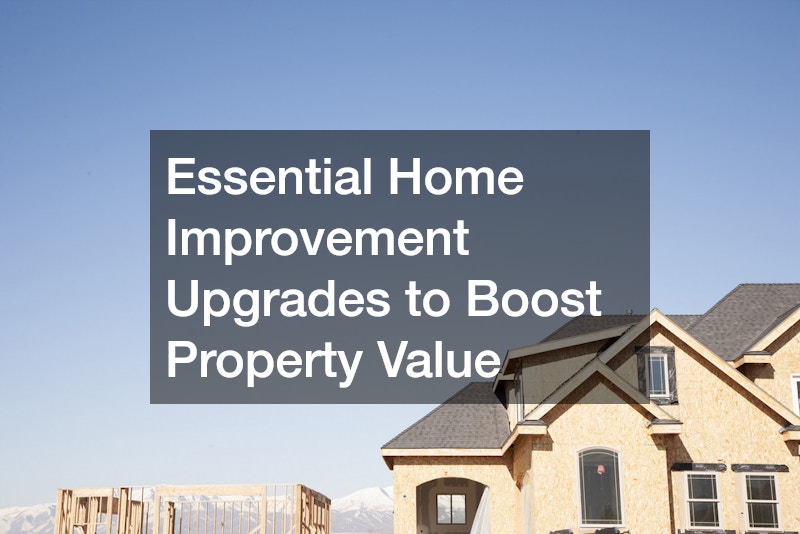
Homeownership is both a lifestyle investment and a long-term financial strategy. While simple cosmetic updates like a fresh coat of neutral paint can certainly refresh a room, true equity growth comes from strategic, high-impact property improvements. Homeowners who approach upgrades with an investment mindset focus on projects that balance visual appeal with structural integrity, system reliability, and functional square footage.
To achieve the highest return on investment, renovations should address every layer of the property. A well-maintained home must protect its occupants from the elements, operate efficiently year-round, and offer elegant, modern living spaces inside and out. Navigating a comprehensive renovation strategy requires understanding which projects yield the greatest long-term dividends. By focusing on foundational protection, mechanical efficiency, refined interior architectural details, smart home convenience, and outdoor living space, you can create an exceptionally comfortable living environment while maximizing your equity when it comes time to sell.
Fortifying Structural Integrity & Below-Grade Health
The foundation and lower level of a home represent its physical anchor. Prospective buyers and home inspectors scrutinize these areas above almost all others because unresolved moisture issues or structural compromises can quickly cascade into multi-thousand-dollar repairs. Enhancing below-grade spaces ensures that every square foot of your property remains safe, usable, and valuable.
Divert Water Away from Your Foundation Before Finishing Lower Levels
Before spending money on high-end drywall, custom flooring, or entertainment setups in a lower level, you must ensure the subterranean environment remains permanently dry. Water intruding through foundation walls or slab floors creates hydrostatic pressure, which degrades concrete, ruins building materials, and creates unhealthy indoor environments.
- Install Comprehensive Interior Drainage: A perimeter drain tile system installed beneath the concrete slab collects groundwater before it breaches the living space, routing it directly to a high-capacity sump pump system with battery backup protection.
- Apply Exterior Vapor and Water Barriers: Exterior waterproofing membranes, combined with dimpled drainage boards, guide groundwater safely away from foundation walls toward exterior weeping tiles.
- Maintain Proper Perimeter Grading: Soil around the foundation should slope downward at least six inches over the first ten feet to prevent rainwater from pooling against basement walls.
- Optimize Gutter and Downspout Systems: Direct downspout extensions at least five to ten feet away from the foundation to prevent concentrated water discharge near structural walls.
Investing in professional basement waterproofing safeguards your lower-level square footage, allowing you to convert unconditioned storage areas into valuable living space, such as a home theater, guest suite, or executive home office, without fear of water damage. If you have a pool, also consider a pool contractor for support. Pool construction is also important.
Identify and Eliminate Hidden Contaminants Early
Moisture problems in enclosed spaces often lead to secondary issues that damage building materials and compromise health. When water sits trapped behind drywall, under carpeting, or inside subflooring, organic growth thrives rapidly. Uncontrolled contamination can render lower levels unusable and drastically drop a home’s appraisal value during inspection contingencies.
- Conduct Thorough Moisture Mapping: Use thermal imaging cameras and pinless moisture meters to locate dampness trapped behind finished walls and beneath floor coverings without destructive demolition.
- Contain and Isolate Affected Zones: Establish negative air pressure chambers with HEPA filtration units to prevent airborne contaminants from spreading to upper-level living areas during remediation.
- Remove Saturated Materials Safely: Porous materials like drywall, carpet padding, and ceiling tiles that have sustained prolonged water contact must be carefully removed and disposed of according to strict safety protocols.
- Treat and Seal Structural Timbers: Unfinished floor joists and wall studs should be thoroughly scrubbed, treated with antimicrobial applications, and fully dried before rebuilding.
Hiring an experienced mold remediation service resolves hidden environmental issues at the root cause, providing certified documentation that reassures future buyers that the home is clean, structurally sound, and safe to occupy.
Overhead Protection & Climate Control Efficiency
A home’s exterior shell and mechanical systems serve as its primary defense against nature. High-performing roofing and climate control systems not only keep utility bills manageable, but they also give prospective purchasers peace of mind knowing they won’t face emergency replacement costs shortly after closing.
Inspect and Upgrade Shielding Elements Ahead of Storm Seasons
The roof is a property’s first line of defense against rain, snow, hail, and high winds. A deteriorating roof compromises everything beneath it, leading to hidden insulation damage, ruined drywall, and structural wood rot. Upgrading roofing components before failure occurs protects your interior investment while dramatically enhancing curb appeal.
- Select High-Performance Materials: Architectural shingles, standing-seam metal panels, or synthetic slate provide superior wind resistance, UV protection, and extended manufacturer warranties compared to traditional three-tab shingles.
- Upgrade Ridge and Soffit Ventilation: Balanced attic ventilation reduces summer heat buildup, lowering cooling costs while preventing ice dams from forming along the eaves during winter months.
- Inspect and Replace Flashing Detail: Critical junction points around chimneys, skylights, and dormer walls require durable copper or heavy-gauge aluminum flashing to prevent subtle leaks.
- Schedule Annual Structural Audits: Regular inspections identify loose shingles, degraded sealant, and gutter blockages before minor issues become major interior water intrusion problems.
Partnering with a licensed, highly reviewed local roofer ensures that all structural work complies with regional building codes and weather demands, providing verifiable craftsmanship that bolsters home value.
Optimize HVAC Systems for Year-Round Climate Stability
A mechanical system running at peak performance is essential for modern home comfort and energy conservation. Aging heating and cooling equipment works harder to maintain target temperatures, leading to uneven room performance, noisy operation, and inflated monthly energy bills.
- Implement Routine System Servicing: Semi-annual tune-ups—including chemical coil cleaning, electrical terminal tightening, and blower assembly balancing—keep mechanical components operating at factory specifications
- Upgrade to Variable-Speed Compressors: Modern multi-stage heating and cooling units adjust output incrementally, maintaining exact room temperatures while using a fraction of the electricity required by single-stage units.
- Seal and Insulate Ductwork Layouts: Leaky duct systems can lose up to 30 percent of conditioned air into unconditioned attics and crawlspaces; sealing joints with mastic and adding duct insulation restores system efficiency. Call for air conditioning service repair.
- Install Smart Programmable Thermostats: Wi-Fi-enabled controls allow precision scheduling, remote adjustments, and energy usage tracking, lowering operational wear and tear on your mechanical systems.
Elevating Interior Architecture & Architectural Craftsmanship
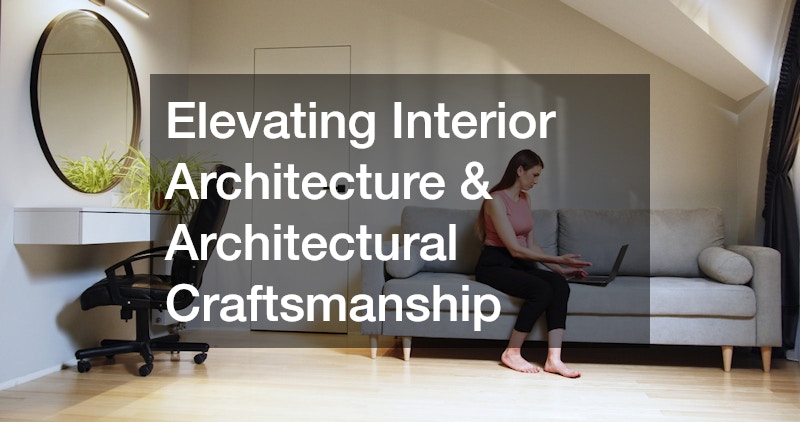
Standard drywall finishes and basic flat trim can make even large rooms feel uninspired and mass-produced. Elevating a home’s interior architectural character creates a sense of luxury, craftsmanship, and timeless quality that sets a property apart on the real estate market.
Add Character and Architectural Depth to Plain Rooms
Millwork and custom carpentry are among the most effective ways to introduce elegance and spatial definition into living rooms, dining spaces, primary suites, and hallways. Detailed woodwork creates shadow lines and visual texture that elevate standard interior spaces into custom-designed showcases.
- Frame Ceilings for Visual Height: Installing multi-piece ceiling details draws the eye upward, making standard eight-foot or nine-foot ceilings feel significantly taller and more grand.
- Define Walls with Accent Paneling: Wainscoting, board-and-batten, or custom picture framing adds depth to plain drywall while providing durable protection against scuffs and furniture bumps in high-traffic hallways and dining areas.
- Upgrade Interior Door and Window Casing: Replacing thin, builder-grade casings with wider, detailed profile boards grounds doors and windows, creating a finished, custom-built appearance throughout the house.
- Unify Architectural Styles: Ensure that wood profiles, baseboards, and ceiling details match the overall architectural language of the home, whether traditional, craftsman, colonial, or modern transitional. Consider crown moulding and trims as well.
Transform Artwork and Mirrors into Architectural Focal Points
Proper presentation of interior artwork, mirrors, and wall decor complements custom carpentry and completes a room’s aesthetic design. Ill-proportioned or poorly framed wall pieces can make a large room feel cluttered, whereas well-curated focal points enhance spatial harmony.
- Use Conservation-Grade Materials: Acid-free matting and archival mounting backings protect fine art, photographs, and historical prints from yellowing or degrading over time.
- Opt for Non-Glare UV Protective Glass: Premium museum glass eliminates harsh light reflections while blocking up to 99 percent of harmful ultraviolet rays that fade delicate colors and paper fibers.
- Match Frame Profiles to Room Scale: Deep, substantial wood frames ground large focal walls, while minimalist metal profiles complement sleek, contemporary furniture layouts.
- Anchor Furniture Layouts Correctly: Position framed mirrors and primary artwork at eye level, proportioning the width of the art installation to approximately two-thirds to three-quarters the width of the furniture piece beneath it.
Modernizing Light Control & Smart Home Automation
Modern luxury is closely tied to home automation, convenience, and energy efficiency. Buyers increasingly seek homes equipped with integrated systems that simplify daily routines, lower energy consumption, and provide dynamic control over the living environment.
Maximize Natural Light While Controlling Solar Heat Gain
Large windows bring desirable natural light into living spaces, but unmanaged sunlight can create harsh glare, cause uncomfortable solar heat gain, and ruin hardwood flooring, upholstery, and artwork through UV exposure. Modern window treatments balance natural lighting with energy management.
- Automate Daily Shade Schedules: Program window treatments to automatically lower during peak sunlight hours to keep interior spaces cool, then raise during the late afternoon to maximize natural daylight.
- Integrate with Smart Home Platforms: Connect automated window coverings to voice assistants and central automation hubs for effortless control across individual rooms or entire floors.
- Choose Dual-Shade Fabric Configurations: Pair light-filtering solar shades that reduce glare while preserving exterior views with opaque blackout shades for absolute privacy and light control in bedrooms and media rooms.
- Improve Thermal Insulation: Cellular and layered window treatment fabrics add an extra insulating barrier at the glass pane, reducing heat transfer during scorching summer days and cold winter nights.
Installing high-end motorized shade systems adds a sleek, modern touch to window openings, protecting expensive interior finishes while offering seamless light control at the touch of a button or voice command.
Transforming the Backyard into a High-End Oasis
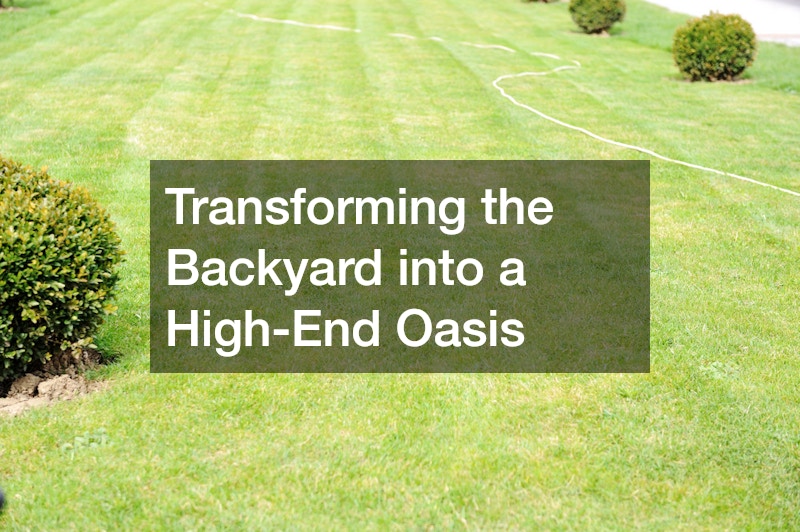
Outdoor living spaces have evolved from simple back patios into true extensions of the home’s interior floor plan. Creating a functional, beautifully landscaped backyard oasis dramatically expands usable entertaining area and provides unmatched lifestyle appeal.
Design Multi-Functional Outdoor Living and Entertaining Zones
An effective outdoor living area functions as an exterior Great Room, offering dedicated spaces for cooking, dining, lounging, and gathering around heat sources during cooler evenings.
- Build Fully Equipped Outdoor Kitchens: Incorporate built-in stainless steel grills, prep sinks, granite or concrete countertops, and weather-rated outdoor refrigeration to keep food preparation outdoors.
- Define Zones with Hardscape Materials: Use distinct paver patterns, natural stone flooring, or raised deck surfaces to visually differentiate dining areas from lounge seating and fire pit zones.
- Provide Overhead Shelter: Install custom pergolas, covered lanais, or pavilion structures equipped with ceiling fans and infrared heaters to extend outdoor usability across all four seasons.
- Integrate Low-Voltage Landscape Lighting: Illuminate walkways, steps, patio perimeters, and specimen trees to ensure safety, highlight hardscape textures, and create nighttime outdoor ambiance.
A well-planned outdoor kitchen and dining zone allows homeowners to host gatherings with ease, serving as a primary selling feature for buyers who prioritize outdoor entertaining.
Enhancing Curb Appeal & First Impressions
First impressions set the tone for how a property is perceived. Long before a prospective buyer steps across the front threshold, the approach to the home—including the entry drive, walkways, and front facade—creates an immediate emotional response regarding how well the property has been maintained.
Re-engineer Paved Surfaces for Maximum Visual Impact
The approach to your home occupies a significant percentage of your front yard’s overall visual footprint. Cracked, uneven, or crumbling arrival paths subtract heavily from a property’s architectural aesthetic, whereas clean, beautifully finished surfaces frame the home with elegance.
- Explore Upgraded Material Options: Replace plain poured concrete or crumbling asphalt with interlocking concrete pavers, stamped decorative concrete, or exposed aggregate finishes for rich texture and color choices.
- Engineer Proper Sub-Grade Base Support: Ensure excavation includes an eight-to-twelve-inch compacted aggregate base layer to prevent sagging, shifting, and frost-heave damage over time.
- Incorporate Integrated Drainage Channels: Install subtle trench drains or slope paved surfaces to direct heavy storm runoff safely away from garage entries and front porch foundations.
- Apply Protective Sealing Treatments: Apply high-grade penetrating sealers every two to three years to guard paved surfaces against oil stains, salt damage, freeze-thaw cracking, and UV degradation.
Redesigning arrival paths and driveways transforms the overall front approach, immediately establishing a sense of quality, pride of ownership, and structural value.
Strategic Renovation Roadmap: Prioritizing Your Upgrades
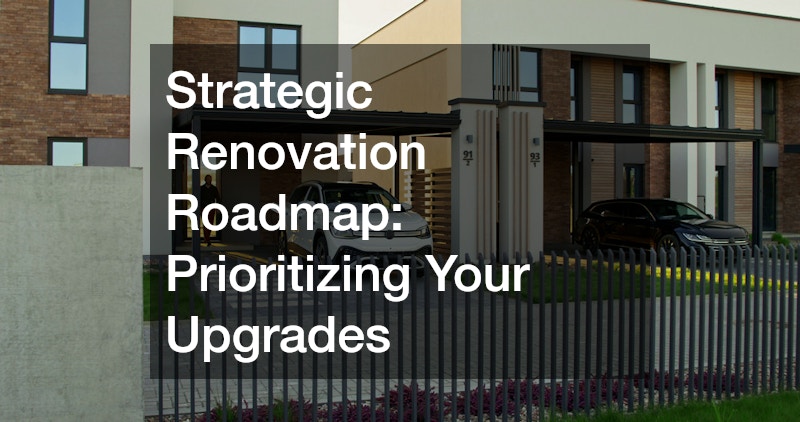
Executing a major home transformation requires a clear plan. Attempting to undertake multiple large-scale projects simultaneously without an overarching sequence can lead to budget overruns, unnecessary work overlap, and contractor delays. To maximize efficiency and safeguard your capital, approach your property improvements in logical phases.