The modern home is more than just a shelter; it is a complex ecosystem of interconnected systems that consume energy, process water, and regulate temperature. For the average homeowner, the costs associated with maintaining this ecosystem can be a significant monthly burden. However, a shift in perspective—viewing every repair as an opportunity for an efficiency upgrade—can transform your property into a high-performance asset.
Eco-friendly home maintenance isn’t just about “saving the planet” in an abstract sense. It is a pragmatic financial strategy designed to reduce waste, lower utility overhead, and increase the lifespan of your most expensive appliances. By focusing on precision repairs and strategic modernization, you can create a residence that is not only more comfortable but significantly cheaper to operate. This guide explores the deep technical and practical avenues for achieving a sustainable, cost-effective home through the lens of professional-grade maintenance and smart upgrades.
Precision Climate Control and Airflow Optimization
The most significant energy drain in any household is almost always the heating and cooling system. When these systems are neglected, they work harder to achieve the same results, leading to a “spiral of inefficiency” where power consumption rises while comfort levels drop.
Proactive Care for Peak Performance
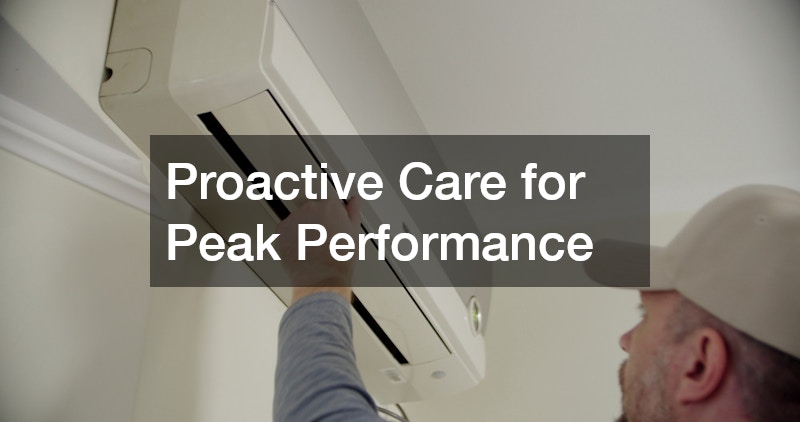
System efficiency starts with the basics of fluid dynamics and heat exchange. If air cannot move freely through your system, the motor must pull more amperage to compensate. To keep your system running at its design specifications, consider the following actionable steps:
- Monthly Filter Audits: Don’t just wait for the filter to look dirty. Use a high-quality pleated filter that balances airflow with particulate capture. A clogged filter is the primary cause of compressor failure because it forces the blower motor to work against high static pressure, which can lead to overheating and premature mechanical burnout.
- Clearing the Exterior Unit: Vegetation, tall grass, and wind-blown debris should be kept at least two feet away from the outdoor condenser at all times. This ensures the heat exchange process isn’t stifled by stagnant air, allowing the refrigerant to shed heat effectively and reducing the duration of the cooling cycle.
- Duct Sealing: Small gaps in ductwork can lose up to 30% of conditioned air into unconditioned spaces like attics, basements, or crawlspaces. Using mastic sealant or metal-backed tape—never standard “duct tape”—can “right-size” your airflow, ensuring that the air you pay to cool actually reaches your living quarters.
Regular HVAC maintenance is the most cost-effective way to delay the inevitable expense of a total system failure. By having a technician check refrigerant levels and tighten electrical connections annually, you ensure the system operates within its optimal SEER (Seasonal Energy Efficiency Ratio) range.
Modernizing for Long-Term ROI
There comes a point where the cost of nursing an old unit exceeds the value of a new one. Modern units are significantly more efficient than those manufactured even ten years ago. If you are facing a major component failure, such as a cracked heat exchanger or a seized compressor, a full central air replacement might be the more eco-friendly choice. Newer models utilize variable-speed technology, allowing the system to run at lower, more efficient speeds for longer periods, which results in better humidity control and lower energy bills.
Renewable Integration and Strategic Fuel Management
Transitioning to a greener home often involves looking at where your energy comes from and how it is stored. Diversifying your energy sources provides a safety net against rising utility rates and grid instability.
Maximizing the Yield of On-Site Generation

If you have invested in hardware to capture the sun’s rays, the goal is to ensure every photon is put to work. Efficiency in this area is often lost through poor monitoring or dirty hardware.
- Panel Cleaning: Dust, pollen, industrial soot, and bird droppings can create “hot spots” on panels, reducing their overall output by shading individual cells. A simple rinse with deionized water or a soft brush can restore efficiency and prevent the micro-cracking associated with localized overheating.
- Inverter Monitoring: Check your system’s software or physical display regularly for “string” failures or error codes. If one part of your array goes down due to a blown fuse or a faulty optimizer, it can significantly handicap your total production, forcing you to draw more expensive power from the municipal grid.
Investing in solar energy is a marathon, not a sprint. The “green” aspect comes from the displacement of fossil fuel-generated electricity, but the “efficient” aspect comes from managing your heavy-load activities (like laundry or dishwashing) during peak production hours to minimize grid reliance.
Balancing Reliability with Clean Burning Fuels
In regions where the electric grid is unreliable or where winter temperatures plummet below the effective range of air-source heat pumps, secondary fuel sources are essential. For those living in rural areas, propane systems offer a versatile and relatively clean-burning alternative to heating oil. To keep these systems efficient, it is vital to perform regular pressure tests. A small leak not only presents a safety hazard but is literally venting your money into the atmosphere. Ensure that your storage tank is sited correctly to avoid corrosion and that your delivery lines are protected from the elements to prevent fuel gelling or regulator freeze-ups.
Electrical Integrity and Targeted Thermal Zones
The electrical “nervous system” of your home dictates how efficiently power is distributed to your devices. Outdated wiring or overloaded circuits don’t just pose a fire risk; they also lead to energy loss through resistive heating.
Strengthening the Infrastructure
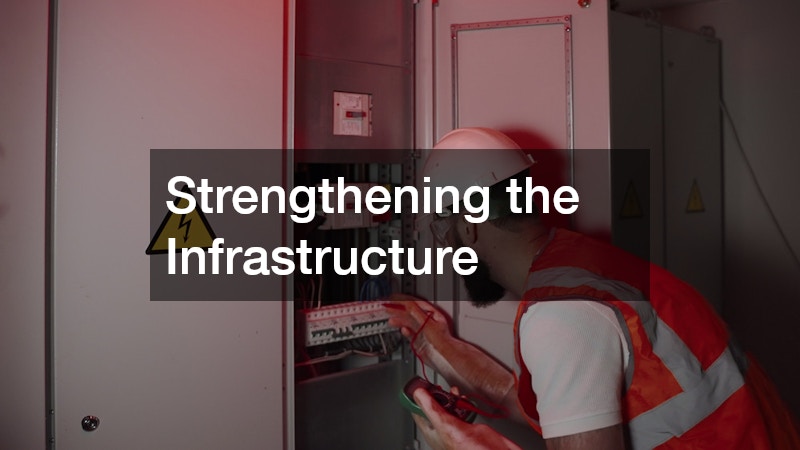
Modern eco-friendly upgrades—like EV chargers or heat pump water heaters—require a robust electrical backbone. If you live in an older home, your current service panel may be a bottleneck.
- Load Balancing: Ensure your high-draw appliances, such as the oven, dryer, and AC unit, are distributed evenly across both phases of your electrical service. An unbalanced load can lead to flickering lights and inefficient operation of sensitive electronic components.
- Tightening Connections: Over time, the natural vibration of the home and thermal expansion and contraction can loosen the mechanical lugs in your breaker box. This leads to increased resistance, arcing, and power waste, which generates unnecessary heat inside your walls.
Hiring a qualified electrician to perform a thermal scan of your panel can reveal hidden “hot spots” where electricity is being wasted as heat before it ever reaches your appliances. This professional oversight ensures that your smart home upgrades are actually functioning as intended.
Efficient Ambiance and Zone Heating
Traditional wood-burning fireplaces are notoriously inefficient, as they pull warm air out of the room and send it up the chimney. For a more sustainable way to add warmth and atmosphere to a specific room, an electric fireplace is an excellent alternative. These units are 100% efficient at the point of use, converting all incoming electricity into heat. By using these for “zone heating”—warming only the room you are currently in—you can turn down the thermostat for the rest of the house, drastically reducing your total energy consumption during the winter months.
Water Conservation and Structural Resilience
Water is a precious resource, and its mismanagement can lead to some of the most expensive and environmentally damaging repairs a homeowner can face. Efficiency here means both reducing consumption and preventing the waste caused by damage.
Protecting the Building Envelope
When a pipe bursts or a heavy storm causes a leak, the environmental cost goes beyond the water wasted. It involves the energy required to manufacture, transport, and install new building materials to replace the ones that rotted.
- Rapid Response: If you find a damp spot on a ceiling, a discoloration on the wall, or a soft patch on the floor, address it immediately. Moist drywall and organic insulation become a breeding ground for toxic mold in as little as 24 to 48 hours, turning a simple patch job into a major remediation project.
- Dehumidification: Professional-grade drying equipment, such as industrial LGR (Low Grain Refrigerant) dehumidifiers and high-velocity air movers, can often save structural members and subfloors that would otherwise need to be ripped out and sent to a landfill.
Engaging in professional water damage repair as soon as a leak is detected is an act of conservation. By saving your existing flooring, studs, and insulation, you are keeping those materials out of the landfill and reducing the carbon footprint associated with a full-scale renovation.
Enhancing Resource Quality
Hard water is a silent killer of home efficiency. Mineral buildup inside your pipes and on the heating elements of your dishwasher and water heater makes those appliances work much harder and fail sooner.
- Scale Prevention: Installing a system to treat hard water can extend the life of your plumbing by decades. When heating elements are free of calcium crust, they transfer heat to the water more directly, reducing the energy required to maintain your hot water supply.
- Point-of-Use Filtering: High-quality multi-stage filters at the kitchen tap significantly reduce the environmental impact of plastic bottles and provide better-tasting water. This encourages the use of tap water over carbon-intensive bottled alternatives while protecting your faucets from sediment.
Implementing a whole-house water filtration strategy ensures that your “wet” appliances operate at factory-spec efficiency. Clean water flows better, heats faster, and requires less soap and detergent to get clothes and dishes clean, which in turn reduces the chemical load you send back into the municipal waste system.
Fortifying the Exterior and Mechanical Systems
The final piece of the efficiency puzzle lies in the physical boundaries of the home and the professional management of the most complex mechanical lines.
Sealing the Gaps in Your Defense

A home’s windows are its most vulnerable thermal point. Over time, the seals on double-pane windows can fail, or the frames can warp, allowing expensive conditioned air to escape.
- Thermal Imaging: Use a handheld thermal camera or an infrared thermometer on a cold day to see exactly where heat is escaping. It is often through the edges of the window frame or through “failed” double-pane glass where the insulating gas has leaked out.
- Hardware Adjustment: Sometimes a drafty window just needs a new sash lock or a replacement latch to pull the window tighter against the weatherstripping. Replacing worn-out foam or felt seals is a low-cost repair that provides immediate returns on comfort and energy savings.
Focusing on window repairs rather than full replacements can be a much more sustainable path. Replacing a failed seal or adding a high-quality storm window can provide nearly the same thermal benefit as a new window at a fraction of the material and financial cost. It preserves the original character of the home while significantly tightening the thermal envelope.
Expert Maintenance for Complex Lines
While many eco-friendly tasks are DIY-friendly, the primary arteries of your home—the main water and gas lines—require specialized knowledge to optimize. A slow leak in a buried pipe can waste thousands of gallons of water before it ever shows a puddle on the surface.
- Pressure Diagnostics: Professionals can perform specialized pressure tests on your supply lines and drain-waste-vent system to ensure your entire home is airtight and watertight. This prevents the silent waste of resources that occurs with “ghost leaks” in toilets or underground supply pipes.
- Fixture Upgrades: Upgrading to high-efficiency toilets and aerated faucets can reduce indoor water use by 30% or more. A professional can ensure these are calibrated correctly so they don’t require “double flushing,” which would negate the water-saving benefits.
Partnering with a reliable plumbing contractor for a comprehensive home audit can reveal inefficiencies you didn’t even know existed. From insulating hot water pipes to prevent heat loss to installing smart leak detectors that shut off the water automatically, these professional interventions are the “preventative medicine” of a sustainable home.
Building a more sustainable home is a journey of a thousand small decisions. It begins with the realization that every time something breaks, you have a choice: you can simply patch the problem, or you can use the opportunity to install a better, more efficient solution. By prioritizing high-performance parts, seeking professional expertise for complex systems, and maintaining a rigorous schedule of preventative care, you protect both your wallet and the environment.
This proactive approach transforms the home from a source of constant “unplanned” expenses into a finely tuned machine that provides comfort and security for years to come. Start with the small things—sealing a drafty window or changing a filter—and build toward larger upgrades. Over time, these efforts compound, resulting in a residence that stands as a model of modern, eco-conscious living.