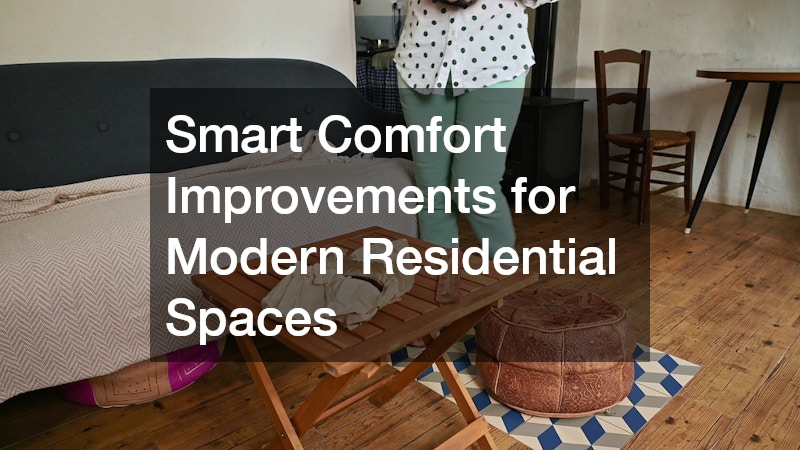
Comfort in modern residential spaces goes far beyond keeping rooms warm in winter or cool in summer. Today’s homeowners expect their living environments to support relaxation, productivity, and well-being throughout every season. Comfort now includes consistent temperatures, reliable hot water, inviting furnishings, quiet operation of systems, and thoughtful layouts that reflect how people actually live. These elements combine to shape how a home feels from the moment someone walks through the door, influencing mood, focus, and overall satisfaction.
Smart comfort improvements focus on eliminating friction in daily life. That friction might come from rooms that never feel quite right, systems that struggle to keep up, or furnishings that look fine but no longer feel supportive. Addressing these issues strategically allows homeowners to enhance comfort without unnecessary disruption or waste, creating improvements that feel natural rather than forced.
Rather than viewing upgrades as isolated projects, the most successful improvements consider how spaces, systems, and lifestyle needs intersect. This holistic approach ensures that each change contributes meaningfully to a home that feels comfortable, functional, and adaptable for years to come, even as routines and priorities evolve.
Modern comfort also emphasizes predictability. A comfortable home behaves consistently, without sudden temperature swings, unreliable hot water, or rooms that feel disconnected from the rest of the house. Predictability reduces stress, improves sleep quality, and makes daily routines smoother. When comfort improvements are planned with intention, they create environments that respond intuitively to occupant needs. This guide explores how targeted upgrades—implemented thoughtfully—can elevate comfort in ways that are practical, durable, and aligned with modern living expectations.
Creating Comfortable Layouts Through Thoughtful Updates
The way a home is arranged has a powerful influence on comfort. Poor layouts can restrict airflow, trap noise, and make daily routines feel awkward. Strategic changes to layout and structure can dramatically improve how a home feels without increasing its footprint. Thoughtful spatial planning can also enhance natural light distribution, improve sightlines, and create areas that feel more open and inviting, contributing to both psychological and physical comfort.
Thoughtful home remodeling allows homeowners to reconfigure spaces to support natural movement, better lighting, and improved temperature balance. Removing unnecessary barriers, widening transitions, or redefining underused areas can help rooms feel calmer and more intuitive. These changes not only improve day-to-day functionality but also make spaces easier to clean, organize, and maintain over time, further enhancing long-term comfort.
Working with a local remodeling company often makes these improvements more seamless. Local professionals understand regional building practices, climate considerations, and permitting requirements, which helps ensure changes support long-term comfort rather than creating unintended issues. Their expertise can also help identify hidden opportunities, such as improving insulation or airflow during structural adjustments.
Comfort-focused layout changes also help reduce physical and mental fatigue. Homes that flow logically require less effort to navigate, especially during busy mornings or evenings. Improved layouts can also reduce noise transfer, helping family members enjoy shared spaces without disruption. Additionally, thoughtful placement of functional zones—like kitchens, living areas, and bedrooms—can create a natural
Layout decisions that improve daily comfort
Comfort-focused layout improvements often include:
- Reducing narrow passageways that restrict airflow
- Creating clear separation between noisy and quiet areas
- Improving access to natural light
- Aligning room use with daily habits
For example, relocating walls or doorways can reduce drafts and improve how heating and cooling circulate throughout the home.
Planning updates with future comfort in mind
Modern comfort planning also means anticipating how needs may change over time. Flexible layouts accommodate evolving lifestyles, whether that means working from home, aging in place, or welcoming guests more frequently.
Key planning considerations include:
- Maintaining clear pathways for accessibility
- Designing multipurpose spaces
- Allowing room for system upgrades
- Avoiding overly rigid layouts
When layout updates prioritize comfort first, they create lasting improvements that enhance everyday living rather than simply altering appearances.
Enhancing Everyday Comfort With Interior Upgrades

Interior elements play a major role in how comfortable a home feels on a moment-to-moment basis. Even when temperatures are well controlled, worn furnishings or poorly balanced heat sources can undermine comfort. Everyday interactions with furniture and surfaces shape perceptions of coziness, usability, and overall satisfaction, making interior quality just as important as mechanical performance.
Furniture reupholstery offers a practical way to restore comfort without replacing entire pieces. Cushions that have lost support, fabrics that trap heat, or materials that irritate skin can all affect how enjoyable a space feels. Updating upholstery allows homeowners to improve comfort while maintaining furniture that already fits the space well. Selecting fabrics and padding that balance durability, softness, and breathability enhances long-term usability.
In cooler climates or draft-prone rooms, a wood stove can provide targeted warmth that enhances comfort without relying solely on central systems. When placed and used properly, it creates a cozy atmosphere while supplementing existing heating. The visual appeal of a well-designed stove also contributes to the room’s aesthetic warmth, making it feel inviting.
Interior upgrades also influence emotional comfort. Soft textures, supportive seating, and consistent warmth contribute to spaces that feel welcoming rather than utilitarian. These changes improve how long people want to spend in a room and how relaxed they feel while there. Layering lighting, textiles, and strategically placed heat sources further enhances mood and comfort, creating spaces that support both daily routines and relaxation.
How interior upgrades affect physical comfort
Interior comfort is influenced by factors such as:
- Cushion firmness and support
- Fabric breathability
- Surface temperatures
- Radiant warmth
Refreshing furniture surfaces improves posture and relaxation, while secondary heat sources add warmth where it’s most needed.
Creating balance between warmth and usability
Interior upgrades should support comfort without overwhelming the space. To maintain balance:
- Choose materials suited to seasonal use
- Position heat sources away from high-traffic areas
- Ensure proper ventilation
- Avoid overcrowding rooms
When interior elements work together, they enhance comfort while maintaining a clean, functional environment.
Improving Cooling Performance for Consistent Indoor Comfort
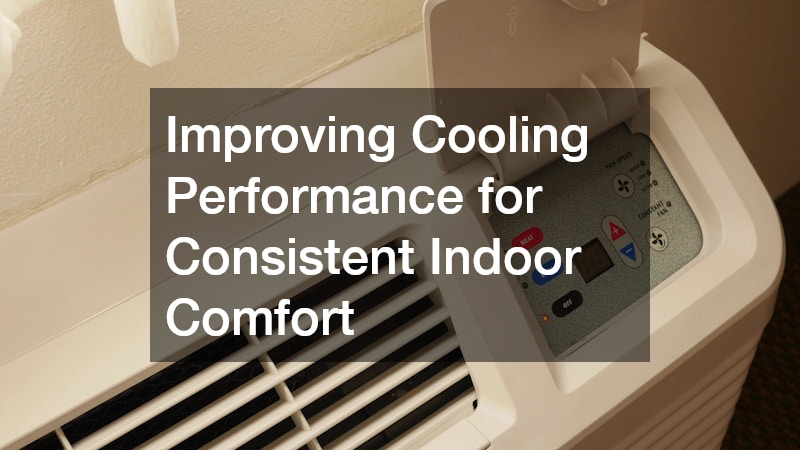
Cooling systems are essential for maintaining comfort during warmer months, but uneven performance can make some rooms uncomfortable while others feel overcooled. Improving cooling performance requires both proper system selection and thoughtful support throughout the home. Poorly performing cooling systems can also lead to uneven humidity levels, creating environments that feel clammy or overly dry, which affects both comfort and health.
A well-planned AC install addresses capacity, airflow, and placement to ensure consistent comfort. Systems that are too small struggle to cool effectively, while oversized systems cycle too quickly, leading to uneven temperatures and humidity issues. Properly sized units provide steady cooling and maintain a balanced indoor climate, reducing stress on the system and improving energy efficiency.
Working with an experienced air conditioner contractor helps homeowners avoid these problems. Professional assessment ensures that system design matches the home’s layout, insulation, and usage patterns. Contractors can also recommend supplemental solutions such as zoning, duct adjustments, or enhanced filtration to improve both efficiency and comfort.
Comfort-related cooling improvements also support indoor air quality. Proper airflow reduces stale air, while humidity control helps prevent mold growth and discomfort during hot months. Optimized ventilation and temperature control also contribute to healthier indoor environments, keeping families comfortable and promoting better sleep, productivity, and overall well-being throughout the summer season.
Signs cooling performance needs improvement
Homeowners often notice cooling issues through:
- Hot spots in specific rooms
- Excess humidity indoors
- Systems running constantly
- Frequent thermostat adjustments
These signs indicate underlying issues that installation or system upgrades can resolve.
Supporting cooling comfort beyond the system
Cooling performance improves when paired with supportive measures such as:
- Sealing air leaks
- Adding window shading
- Improving insulation
- Using smart thermostat controls
Together, these steps reduce strain on cooling systems and maintain consistent indoor comfort throughout the home.
Upgrading Heating Systems for Reliable, Even Warmth

Heating systems play a central role in comfort, particularly during colder months when uneven warmth becomes especially noticeable. Aging or inefficient systems often struggle to maintain consistent temperatures, leading to cold spots and higher energy use. These issues can create not only discomfort but also higher utility bills, as older systems work harder to reach desired temperatures. Uneven heating may also affect furniture placement and room usability, as certain areas become too hot or too cold for daily activities.
In many cases, furnace replacement provides a more reliable solution than repeated repairs. Modern systems distribute heat more evenly, respond faster to thermostat changes, and operate more quietly than older units. Advanced models also feature energy-efficient technology and programmable controls, allowing homeowners to fine-tune temperatures for comfort and cost savings.
Choosing the right heating contractor is essential for achieving these benefits. Proper system sizing, installation quality, and airflow design all influence how effectively heat is delivered throughout the home. Experienced contractors can evaluate ductwork, insulation, and layout to ensure maximum efficiency and consistent warmth.
Heating comfort also affects moisture balance and indoor air quality. Systems that operate smoothly reduce dry air and limit temperature fluctuations that can stress both occupants and building materials. Maintaining proper humidity levels and balanced airflow helps prevent respiratory irritation, preserves wood surfaces, and supports overall home durability, creating a healthier, more comfortable living environment.
Indicators that heating systems are affecting comfort
Common comfort-related heating issues include:
- Rooms that warm slowly or unevenly
- Dry indoor air
- Frequent on-and-off cycling
- Rising heating costs
These symptoms often worsen over time if not addressed.
Supporting heating performance throughout the home
Even the best heating system benefits from supportive improvements:
- Balanced ductwork
- Adequate insulation
- Clear airflow pathways
- Proper thermostat placement
When heating upgrades are coordinated with overall home performance, they deliver steady warmth and long-term comfort.
Delivering Comfort Through Reliable Hot Water and Outdoor Features
Comfort isn’t limited to temperature alone. Reliable hot water and enjoyable outdoor amenities also play an important role in daily satisfaction at home. A home that meets these needs creates a seamless experience, allowing family members to move between indoor and outdoor spaces without frustration or inconvenience. Predictable, reliable systems reduce stress and make everyday routines—such as bathing, cooking, or hosting gatherings—more enjoyable.
A properly planned water heater installation ensures that hot water availability matches household demand. Inadequate systems often lead to fluctuating temperatures, long wait times, or shortages during peak use, all of which disrupt comfort. Efficient water heating also improves energy performance and reduces utility costs.
Outdoor comfort is increasingly important as homeowners seek to extend living spaces beyond the interior. A pool heater allows outdoor areas to remain comfortable for longer periods, turning seasonal features into year-round amenities. Proper placement, energy-efficient models, and maintenance schedules maximize usability and enjoyment.
Comfort planning that includes outdoor spaces enhances relaxation, social opportunities, and overall lifestyle enjoyment, especially for families who entertain or spend significant time outside. Thoughtful integration of outdoor systems with indoor routines ensures continuity in comfort, allowing both spaces to function as a cohesive living environment.
Matching systems to household routines
Comfort improves when systems align with actual usage patterns:
- Morning and evening water demand
- Simultaneous appliance use
- Guest accommodations
- Outdoor activity schedules
Planning systems around these patterns prevents performance shortfalls.
Balancing comfort and efficiency outdoors
Outdoor comfort systems perform best when paired with smart operation strategies:
- Use timers and controls
- Insulate exposed components
- Schedule use during off-peak hours
- Maintain equipment regularly
These steps enhance enjoyment while keeping energy use in check.
Smart comfort improvements focus on how a home feels and functions every day. By addressing layout, interior elements, mechanical systems, and supporting features together, homeowners can create environments that respond smoothly to changing seasons and routines. When these components work in harmony, daily tasks become easier, transitions between spaces feel natural, and the home adapts effortlessly to both quiet moments and busy schedules. This integrated approach helps eliminate common frustrations, such as rooms that never feel quite right or systems that require constant attention.
Comfort-driven upgrades are most effective when they are intentional and well-coordinated. Each improvement builds on the next, reducing friction, increasing reliability, and enhancing overall satisfaction. Over time, this approach transforms a house into a space that consistently supports rest, productivity, and connection. Rather than reacting to discomfort as it arises, homeowners can proactively shape their environments to meet evolving needs, creating spaces that feel supportive instead of demanding.
By viewing comfort as a system rather than a series of isolated fixes, homeowners gain greater control over their living environments. This perspective encourages smarter planning, better prioritization, and longer-lasting results. It also promotes more confident decision-making, as each upgrade is evaluated based on how it contributes to overall comfort. The outcome is a home that not only looks modern but feels welcoming, balanced, and dependable. When comfort is elevated thoughtfully, it becomes an everyday experience rather than a constant adjustment—supporting a higher quality of life now and well into the future.