Heating, Ventilation, and Air Conditioning (HVAC) systems are vital components in modern residential and commercial environments. The installation of an HVAC system is a detailed and critical process that requires careful planning and execution. It ensures that the system operates efficiently and effectively, providing optimal indoor climate control.
1. What is involved in a basic HVAC installation process?
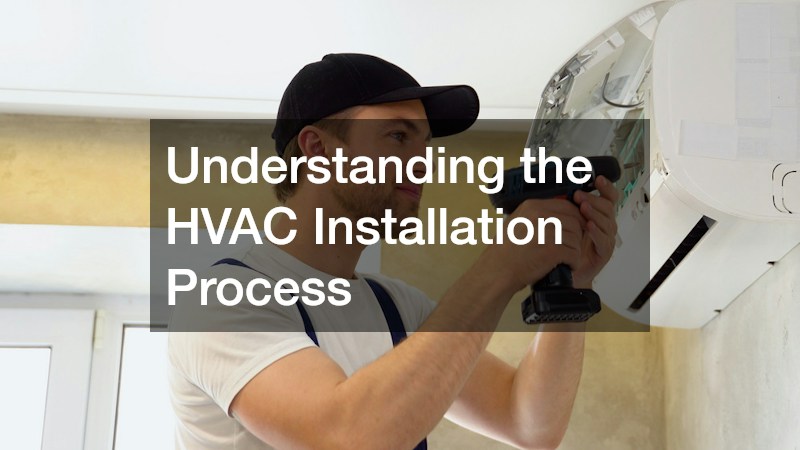
The HVAC installation process is a critical component for ensuring the comfort and efficiency of climate control systems within a property. It includes a series of steps that involve evaluating the space, selecting the appropriate equipment, and meticulous installation by trained professionals.
This process starts with a comprehensive assessment, where experts evaluate the size, design, and requirements of the property to determine the best HVAC system fit. The chosen equipment needs to be transported, which involves logistical planning to ensure it arrives safely and timely for installation. Understanding each phase of the installation can help alleviate potential stress and ensure a smoother process for all parties involved.
Once the assessment is complete and the suitable HVAC system is selected, professionals prepare the installation site, which includes removing any old equipment if necessary. This step is essential to prevent hazards and ensure the new equipment is installed in a clean, unobstructed space. Installers then focus on connecting the ductwork, setting up the mechanical components, and ensuring all electrical connections comply with safety standards. Testing the system follows, where technicians verify that the HVAC unit operates correctly, efficiently, and without leaks. The entire process reflects a combination of engineering, precision, and technical expertise to achieve optimal performance and energy efficiency.
Throughout the installation, communication between the installer and homeowner or business owner is important. Professionals should provide updates on the progress and explain any adjustments needed to the original plan. It is also beneficial to discuss maintenance requirements to prevent future issues. Clear communication establishes a mutual understanding and trust, ensuring the customer’s expectations are met. Overall, grasping the intricacy of the HVAC installation process can empower homeowners with the knowledge to make informed decisions about their heating and cooling needs.
2. How long does HVAC installation usually take?
The duration of an HVAC installation is generally contingent on several factors, including the complexity of the system and the condition of the existing infrastructure. For a typical residential setup, the process can take anywhere from one to three days. However, larger commercial installations may extend over a week due to their more elaborate configurations. A crucial aspect influencing the timeline is the pre-installation preparation, which includes measuring spaces, designing duct layouts, and securing necessary permits. Each of these steps require meticulous planning and execution to ensure the installation adheres to local codes and standards.
Unforeseen complications such as outdated electrical systems, inadequate construction, or unexpected structural barriers can arise, potentially prolonging the installation process. Professionals in the field are trained to anticipate and address such challenges efficiently while minimizing disruptions. Adapting to these situations often involves quick problem-solving and might include re-routing ducts or upgrading supporting electrical components. Ensuring these preparatory and corrective measures are in place not only impacts the installation timeline but contributes to the longevity and success of the HVAC system. For homeowners and businesses, understanding possible delays can help manage expectations and prepare alternative means to ensure comfort during the installation period.
It is advisable for property owners to discuss the projected timeline with their HVAC contractor before work begins. This enables customers to schedule the installation at a convenient time, reducing the impact on daily activities. During this discussion, exploring options such as phased installation may be beneficial, especially for commercial clients with stringent operational requirements. Establishing an open line of communication aids in both parties being on the same page, facilitating a streamlined and more predictable installation process. An informed homeowner is better positioned to coordinate with HVAC professionals, ensuring their specific needs and schedules are adequately met.
3. How much does HVAC installation cost on average?
The cost of HVAC installation is a significant concern for homeowners and businesses, as it represents a substantial investment in property infrastructure. On average, a new HVAC system installation can range from $3,000 to $7,000 for residential properties. However, certain high-efficiency units may exceed $10,000, depending on the system size and property requirements. Commercial installations often incur higher costs due to the complexity and scale of equipment required to adequately service larger spaces. The price variance also considers additional factors such as labor, equipment type, and regional economic conditions that influence market prices.
Costs are also impacted by potential upgrades necessary for supporting infrastructure like electrical systems, insulation, and ductwork. Older homes particularly may require extensive modifications to accommodate contemporary HVAC technologies. These updates, while initially increasing overall expenses, contribute to improved energy efficiency and reduced operational costs over time. It’s critical for property owners to obtain detailed estimates from their HVAC contractor, itemizing all facets of the project including equipment, labor, and any supplementary upgrades. This transparency allows for better financial planning and enables clients to evaluate all available options before committing.
Financial options such as financing plans and rebates for energy-efficient systems can mitigate the upfront costs, making HVAC installation accessible to a wider range of budgets. Many utility companies and government programs offer incentives to encourage the adoption of eco-friendly systems, reflecting a broader commitment to energy conservation and sustainability. Homeowners and businesses are advised to research these opportunities and engage HVAC experts who can aid in navigating applicable financial aids. By understanding the comprehensive cost landscape, clients can make more informed decisions backed by a full awareness of the potential ROI through energy savings and increased comfort.
4. What are the common challenges faced during HVAC installation?
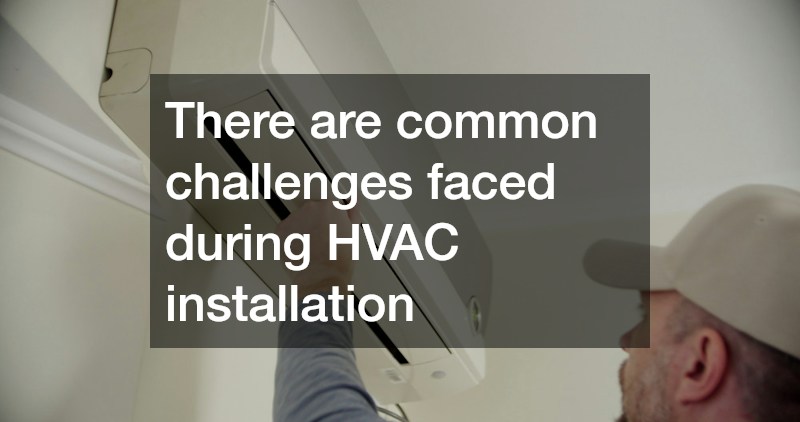
HVAC installation presents a range of challenges that professionals must be well-equipped to handle to ensure a successful outcome. One of the primary issues involves dealing with existing structural limitations, such as insufficient space or outdated ductwork, which can complicate the equipment installation. These structural hurdles often require creative solutions, like utilizing compact, high-efficiency systems designed for minimal space occupation. Additionally, installers must carefully navigate any historical or difficult-to-access properties to prevent any damage while meeting modern standards and building codes. Understanding these layout intricacies and planning accordingly is critical to avoiding costly setbacks.
Another common challenge is environmental considerations such as climate and geographical location, which significantly influence both equipment selection and installation methods. Regions with extreme temperatures may demand specialized systems capable of coping with specific thermal stresses. Furthermore, local wildlife or fauna can impose unique challenges, such as preventing small animals from entering ventilation systems or ensuring outdoor units are protected from environmental debris. Experienced HVAC professionals anticipate these environmental influences, advising clients on robust, customized solutions to withstand local conditions. Establishing this adaptability ensures long-term system reliability and efficiency.
Throughout the installation process, maintaining effective communication between the contractor and property owner is paramount to mitigating issues. Miscommunications over project scope or misaligned expectations have the potential to escalate minor concerns into major obstacles. Clear, detailed contracts and regular updates from the contractor regarding project progress and any emerging issues help in managing client expectations. Additionally, involving property owners in decision-making processes enhances mutual understanding and facilitates timely resolutions to any unforeseen difficulties. By acknowledging these challenges preemptively, the likelihood of installation success and customer satisfaction is greatly increased.
5. How can homeowners prepare for an HVAC installation?
Preparation is key for homeowners looking to ensure a smooth and efficient HVAC installation process. The first step involves engaging with qualified and experienced HVAC contractors who can guide clients through system selection, providing insights into unit efficiency, sizing, and maintenance needs. Homeowners should compare quotes from multiple contractors, taking into consideration not only price but also service offerings and warranties as part of their decision-making criteria. Informed selection of a contractor establishes a strong foundation for a seamless installation process. Choosing the right partner ensures that homeowners receive the best advice and support throughout the entire installation journey.
Additionally, homeowners are encouraged to prepare their premises for installation by clearing installation areas and ensuring unobstructed access to critical workspaces. Removing personal items and securing valuable assets minimizes the risk of accidental damage and facilitates an efficient work environment for technicians. Scheduling time to be present during installation is also advantageous, as it allows for firsthand oversight and the opportunity to address any concerns promptly. Moreover, collaborating with the contractor to understand the planned workflow and discuss any specific requirements may prove beneficial. Such proactive involvement can lead to a more predictable and satisfactory installation outcome.
Finally, educating oneself about the selected HVAC system and ongoing maintenance needs is invaluable. Familiarity with system controls, efficiency features, and recommended upkeep practices empowers homeowners to optimize their system’s performance post-installation. It also helps identify potential issues early, enabling timely interventions. By establishing a maintenance schedule and staying informed on best practices, homeowners can extend the lifespan of their HVAC system and maximize their investment. Overall, preparedness not only streamlines the installation process but also instills confidence and peace of mind in homeowners regarding their new HVAC system.
In navigating the complexities of the HVAC installation process, understanding the basic steps, potential challenges, and preparatory considerations are essential. The process not only involves a significant financial investment but also impacts the comfort and efficiency of a property. By equipping themselves with relevant knowledge and engaging reputable HVAC professionals, homeowners and businesses can ensure a successful installation with long-term benefits. This awareness aids in making informed decisions, optimizing financial resources, and maintaining the operational health of HVAC systems. Ultimately, seeking expert guidance is invaluable to achieving the perfect balance between performance, efficiency, and user satisfaction.